Erika Allen
Erika Allen
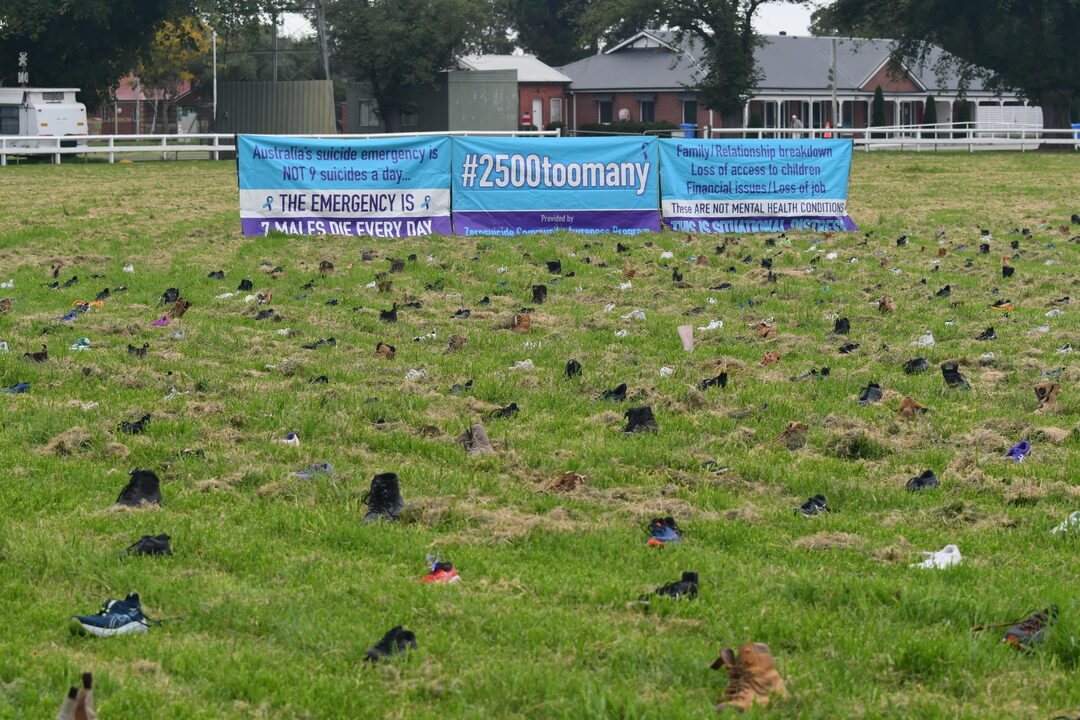
SEVEN men a day, about 2500 each year, die by suicide in Australia.
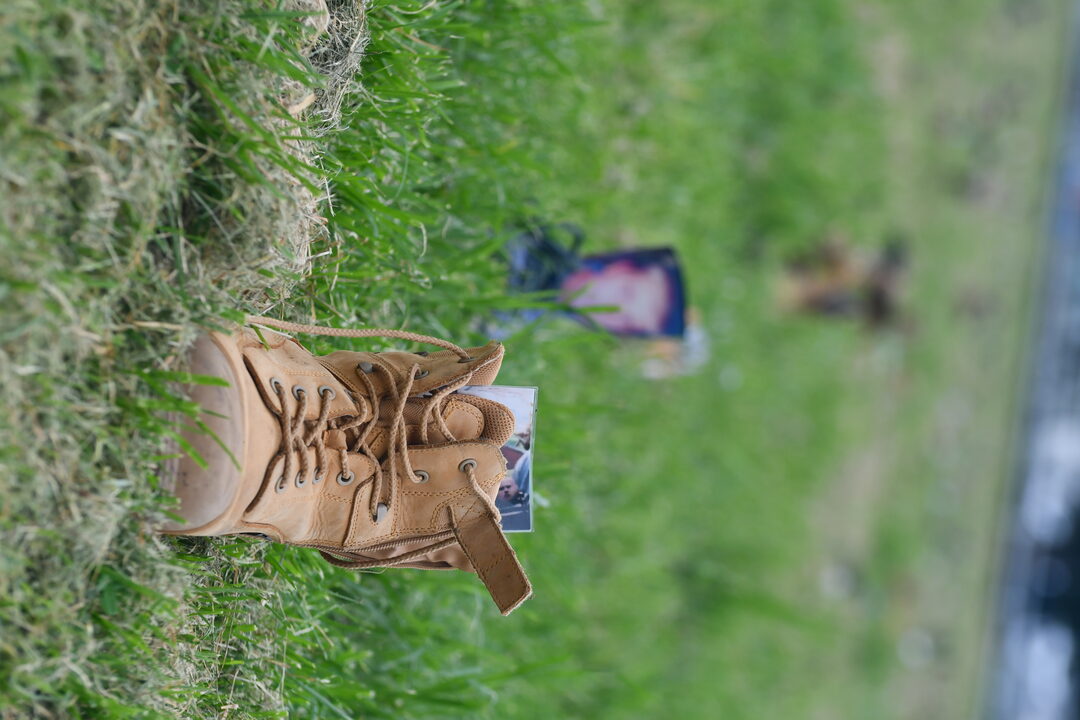
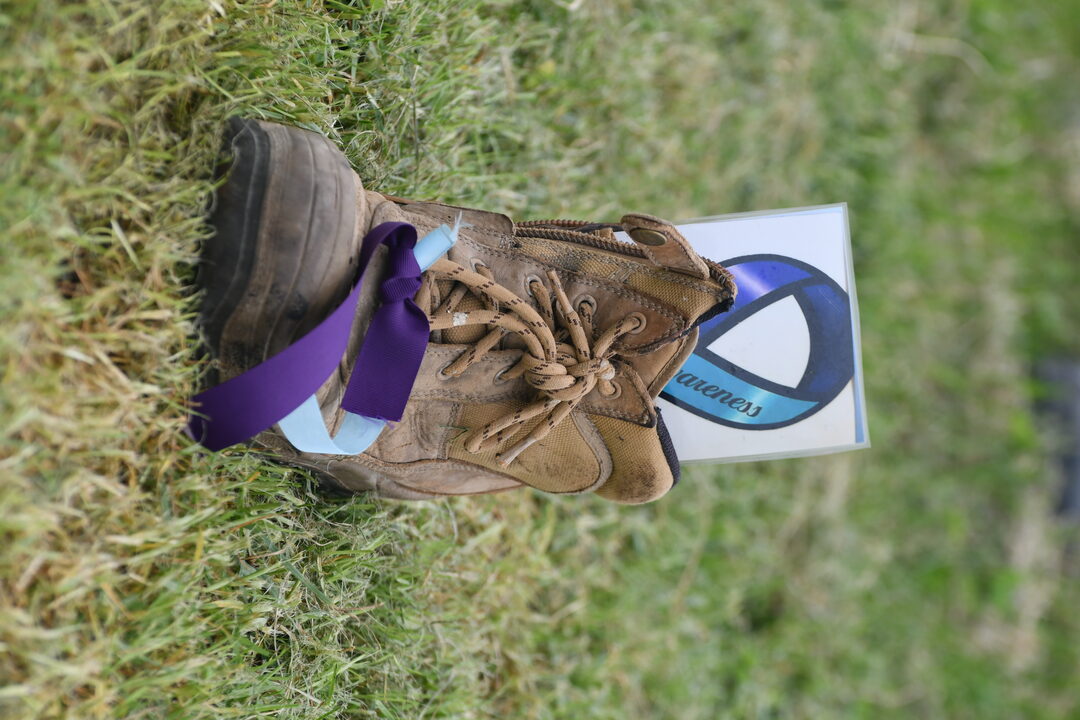
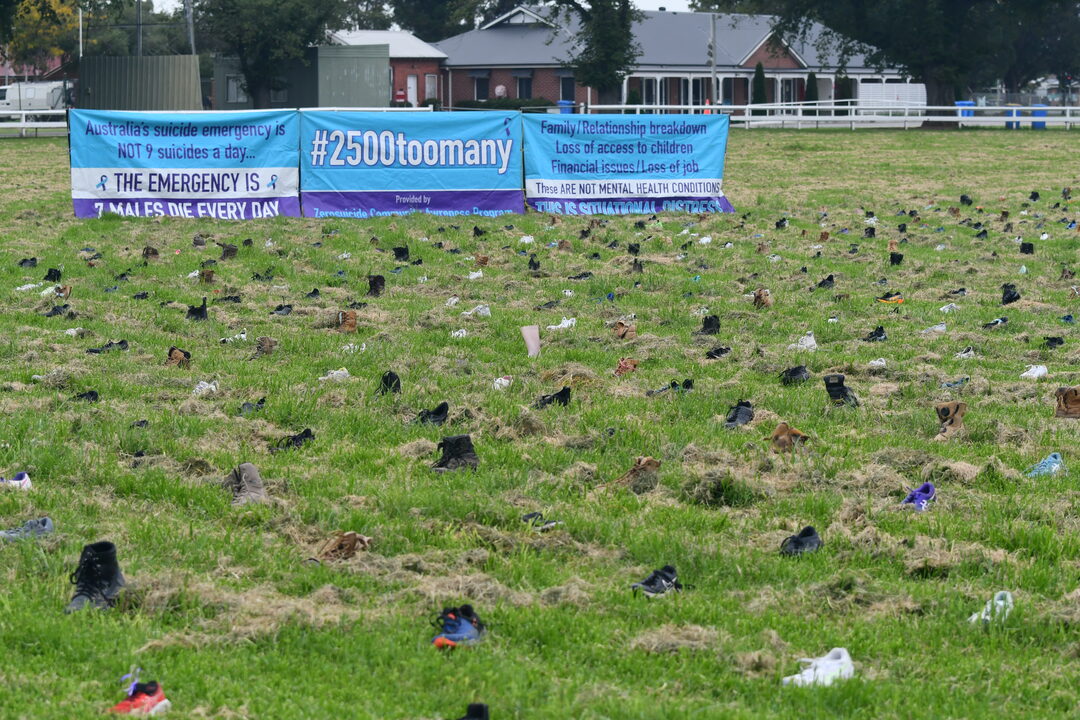
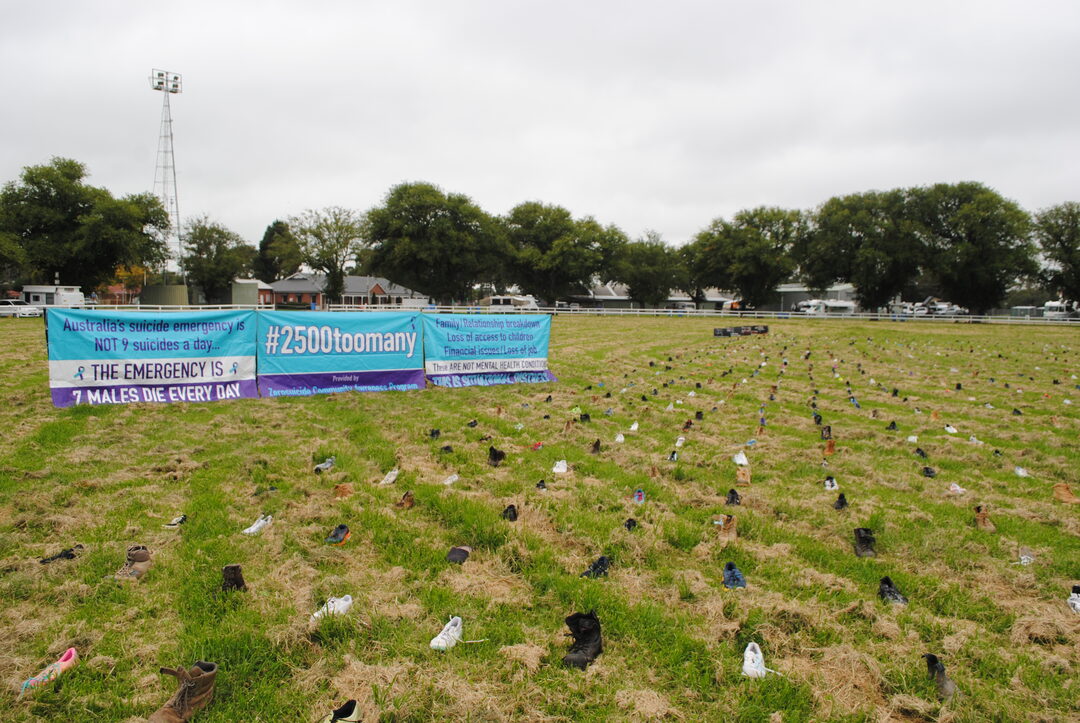
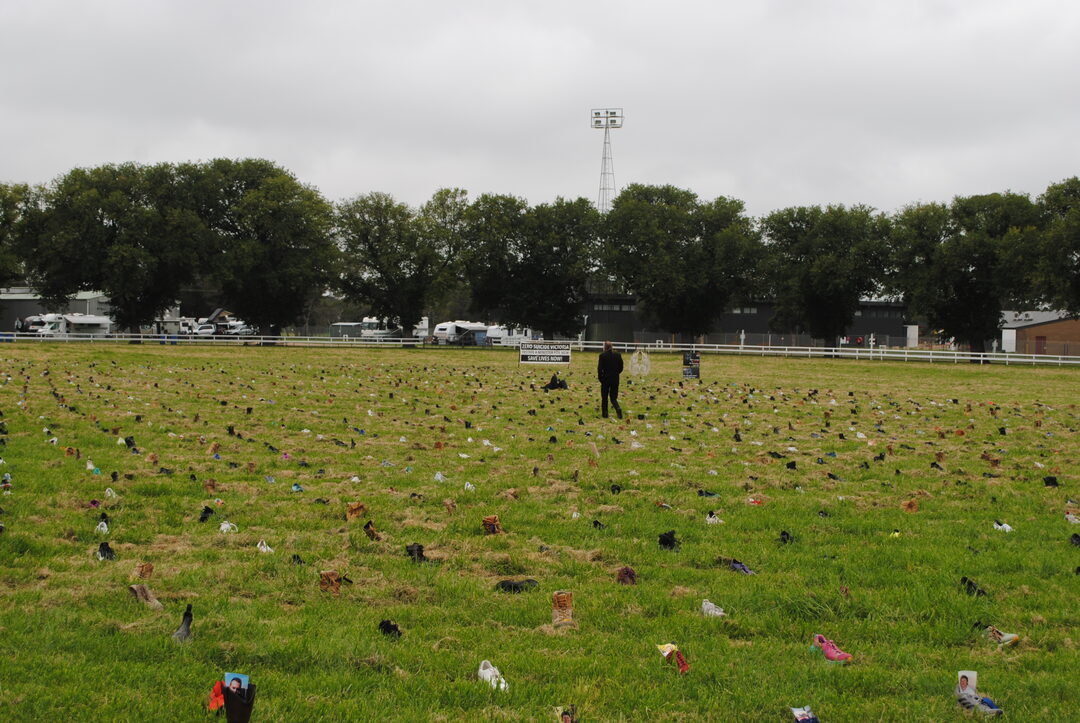
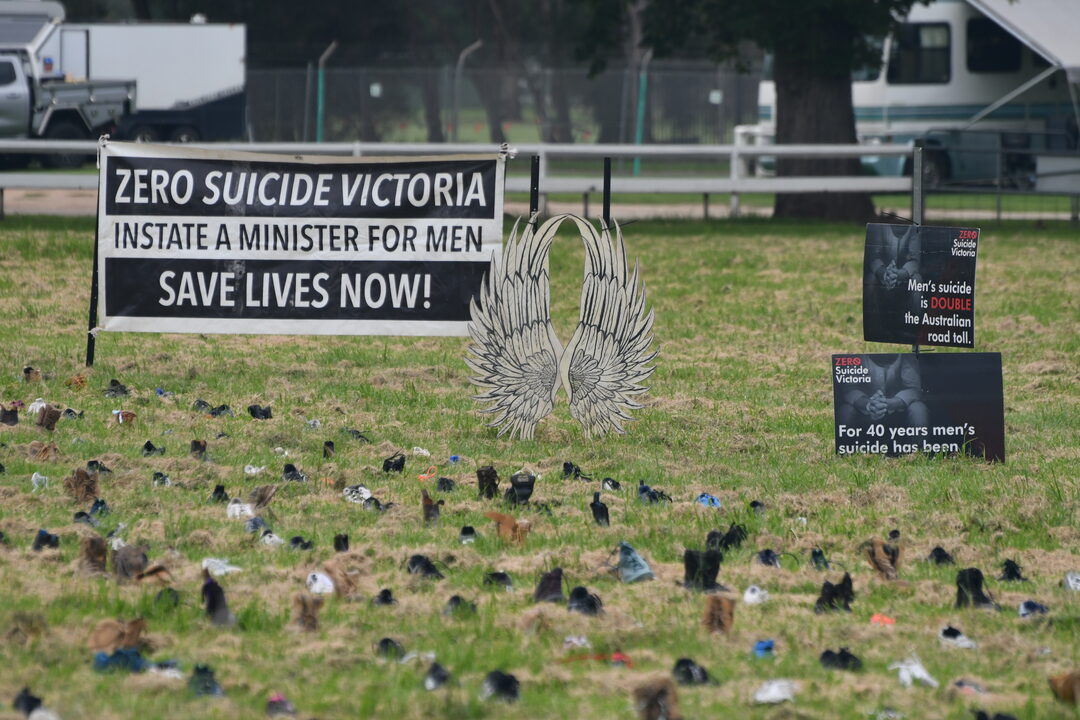
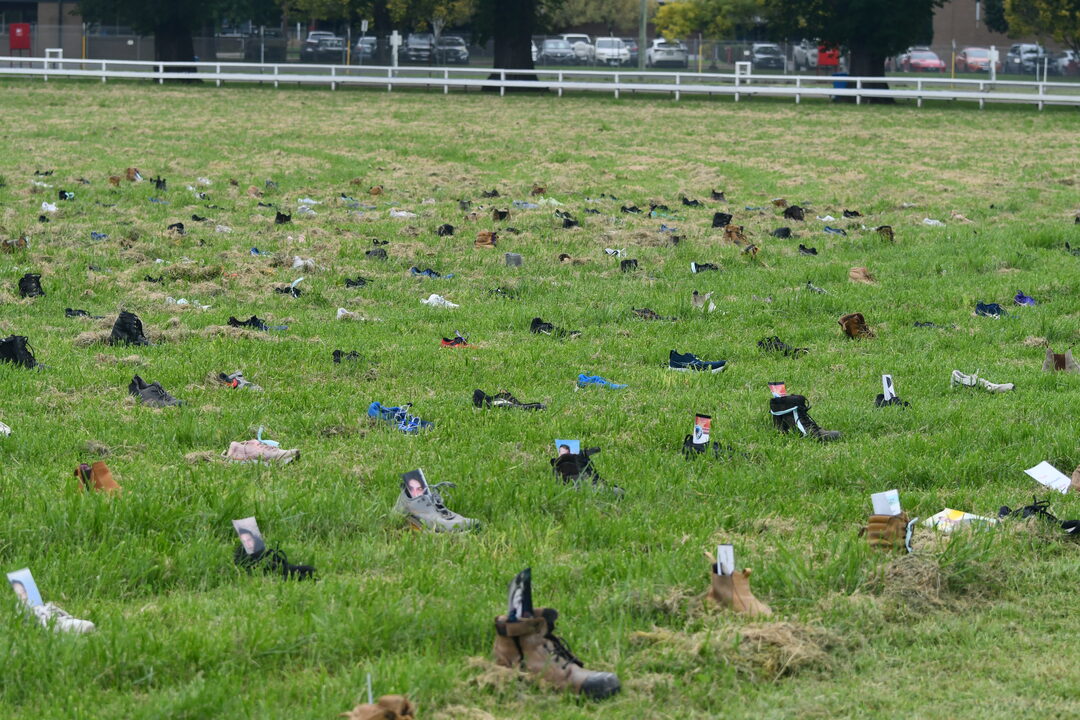
It is “2500 too many” – the message driving the work of not-for-profit organisation Zero Suicide Community Awareness Program, which placed 2529 pairs of shoes at the Sale Showgrounds last Friday, each representing an Australian man who died by suicide in 2024.
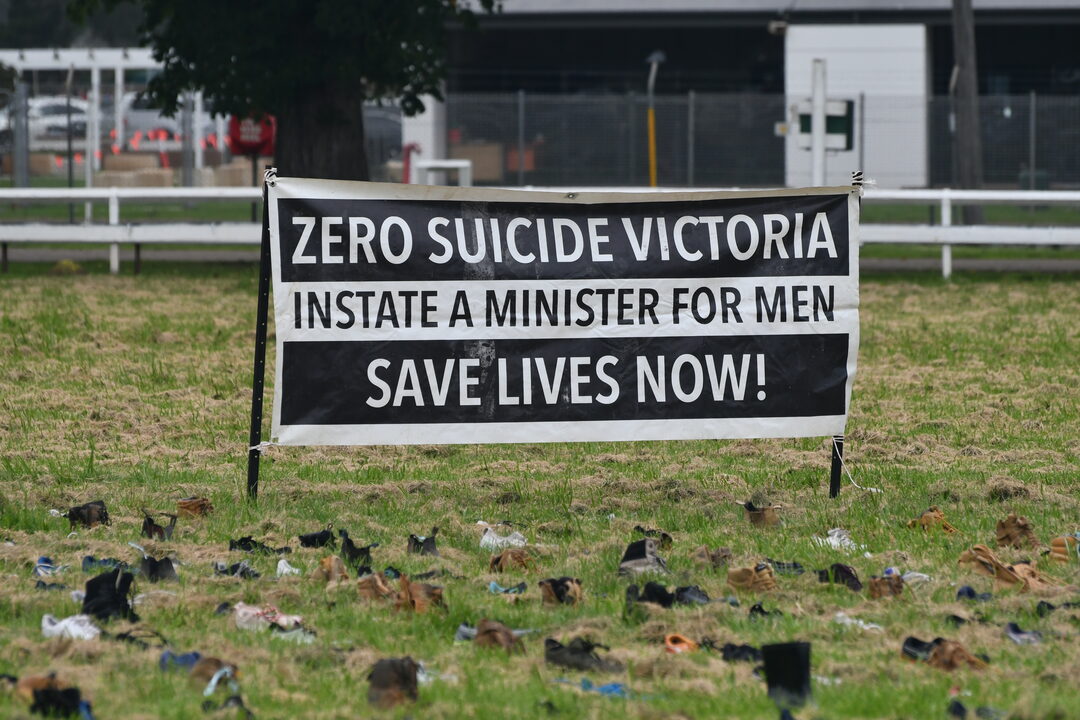
The installation has only been staged twice in regional Victoria, with the first held in Wallan in February. However, each year on International Men’s Day, the group lays 2500 pairs of shoes on the lawn of Parliament House in Canberra, in an effort calling on the federal government to establish a dedicated minister for men’s and boys’ mental health and welfare.
The shoes’ 1.5-tonne weight pales in comparison to the display’s emotive impact, as it prompts observers to visualise what is often a silent struggle.
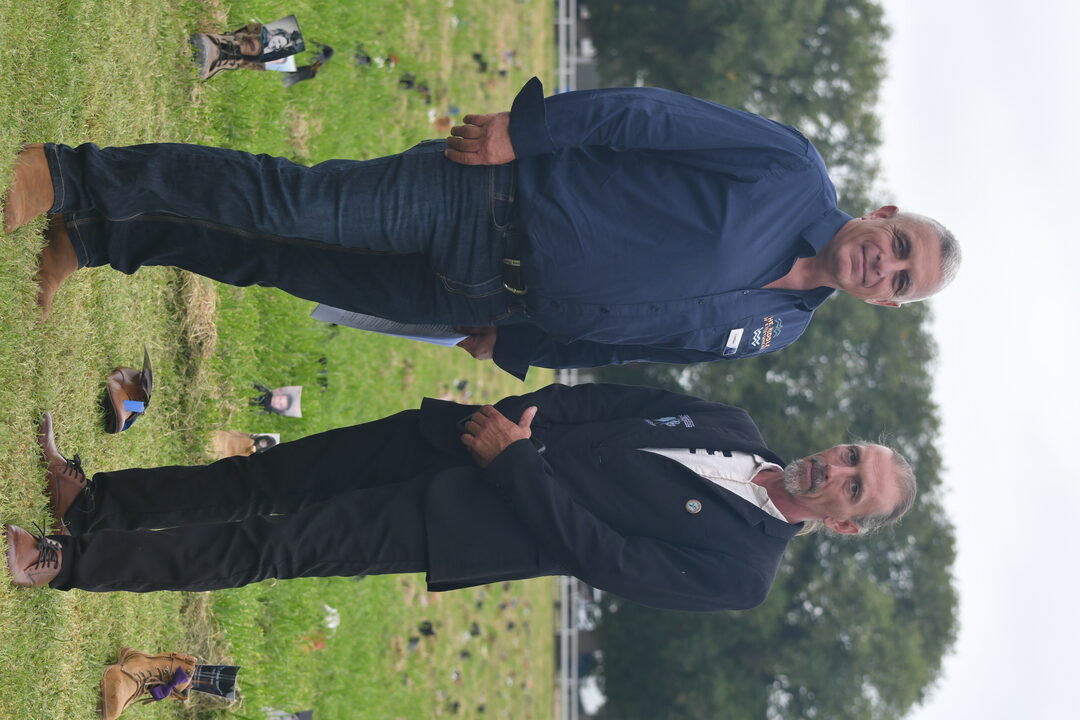
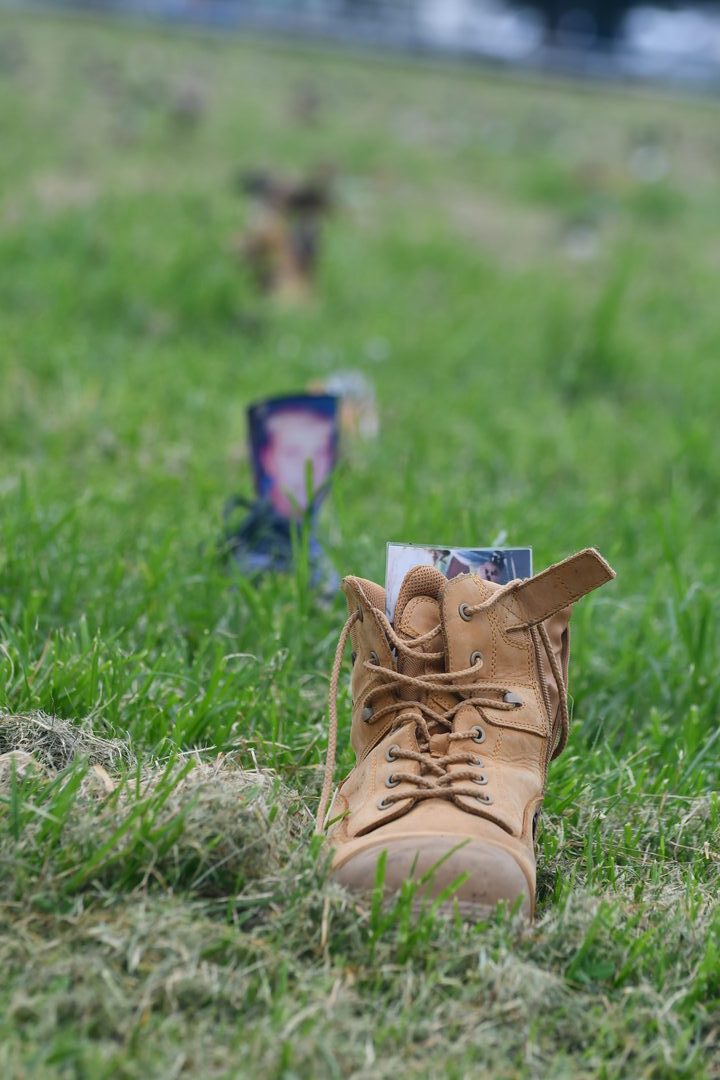
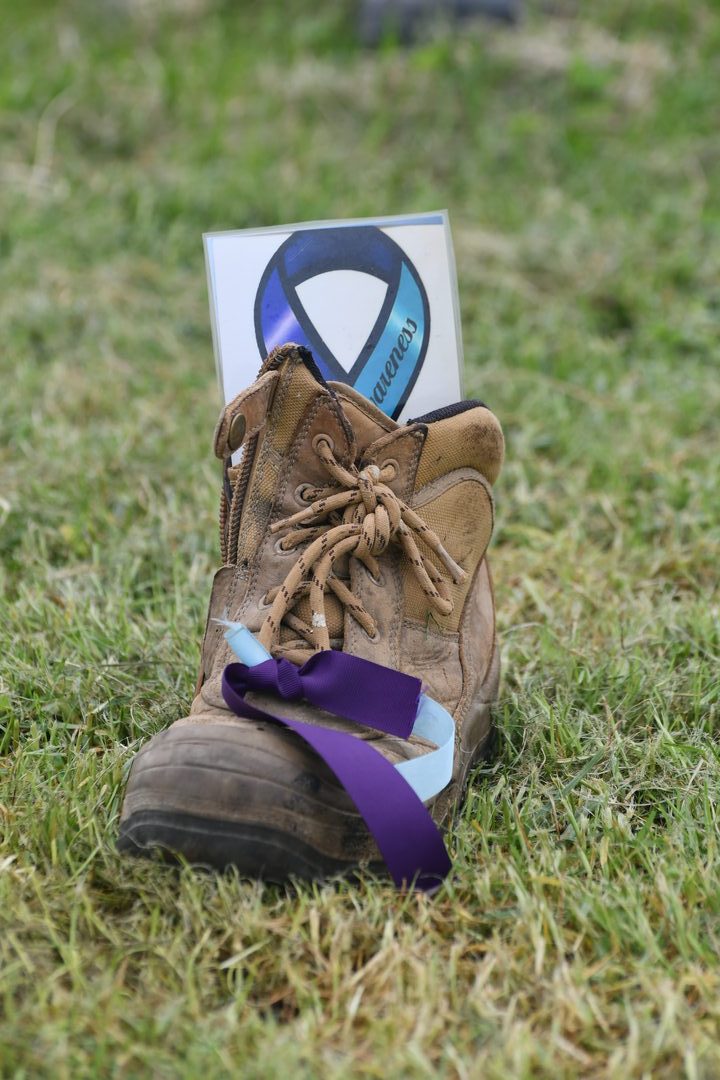
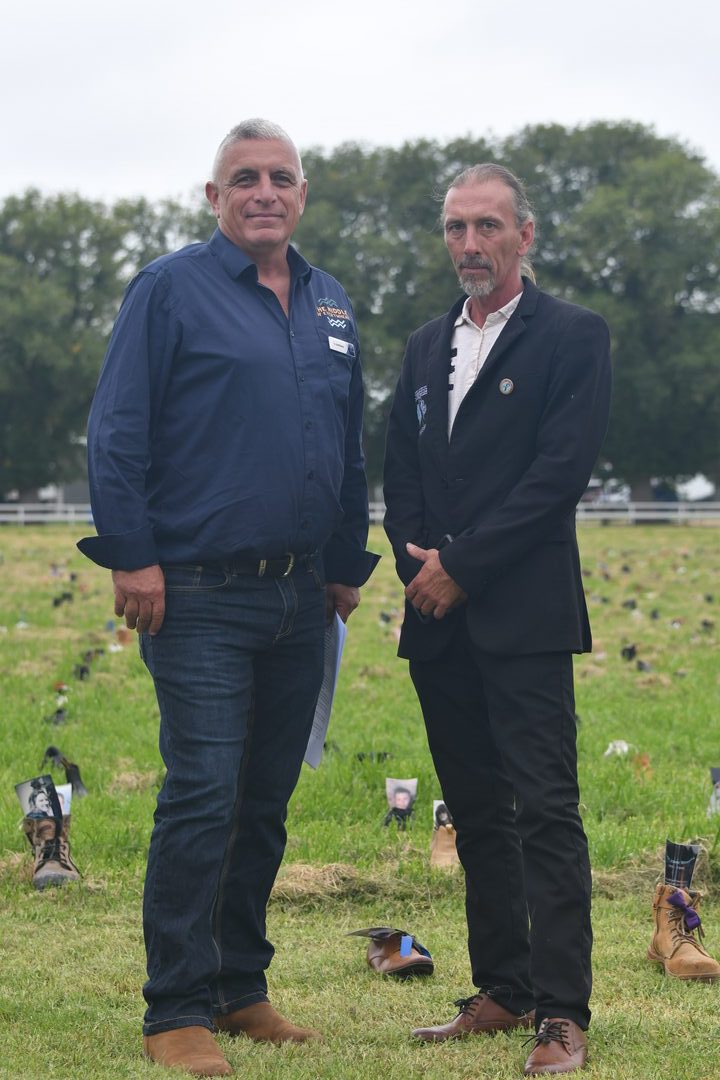
Zero Suicide Community Awareness Program founder Paul Withall told the Gippsland Times locals who have been affected by suicide could leave a photo and note with a shoe in honour of a loved one.
“We keep the photo and the photo then travels around with the shoes, and each time the shoes get laid out, the person gets some representation,” he said.
The installation will next travel to the Mornington Peninsula before continuing into towns across New South Wales, extending its reach and message.
Mr Withall said a small but dedicated group of volunteers had driven the campaign since 2021, with growing demand from communities across the country.
“We heard there was an issue here in Gippsland, so we’ve spent the last month here travelling to agricultural shows, speaking to politicians and services around the area to gauge what we can do and start a conversation,” he said.
A lack of early intervention, including physical drop-in centres, is a key gap Mr Withall has identified during his time in Gippsland.
He believes Australia’s mental health system is failing men and boys by focusing too heavily on crisis care that is reactive, rather than preventative.
“People are sitting on mental health beds inside hospital ERs because there’s no beds in the hospital,” he said.
“We know our mental health system’s full – we need to stem the flow.
“The only place they can really go is the hospital, and that shouldn’t be how it works.”
He said the issue was compounded in regional areas, where isolation and limited services make it harder to seek help.
“Our farmers, fishers… it’s so much harder for them to not only reach out, but if they know there’s no support or facility there, there’s no point in reaching out,” he said.
Mr Withall said the lack of support available before people reach a crisis point must be addressed, alongside calls for a dedicated federal representative for men’s and boys’ mental health.
The federal advocate escalated these recommendations on Monday with a submission to parliament.
“We have a Minister for Men and Boys’ Mental Health and Wellbeing, then we recognise situational distress and implement the intervention with places that men and boys need,” Mr Withall said.
“Units where people can go earlier… take the pressure off the health system.”
The term “situational distress”, he said, refers to external pressures such as financial strain, relationship breakdowns, or any circumstances that place significant stress on a person’s life. He believes early intervention in these situations is critical to preventing escalation.
“In men and boys, the reasons they take their own lives are not always diagnosable mental health conditions. It might be linked, but situational distress – family relationship breakdown, loss of access to children, court and financial issues – is why men ideate and why their suicide rates are high,” he said.
According to the Australian Bureau of Statistics (ABS), relationship breakdown was the most common psychosocial risk factor in a quarter of male suicides in 2024. It was most prevalent among men aged 25 to 44. Psychosocial risk factors emerge within a person’s social environment, encompassing relationships and work, and can significantly influence health outcomes. In the case of relationship breakdown, the ABS includes separation and divorce, as well as arguments and domestic violence, within this category.
“If we don’t deal with the situational distress before it becomes a mental health issue, we’ve failed,” Mr Withall said.
He said men were more likely to engage with peer-based, community-led support. He said it was something already present in many towns, with community organisations like Men’s Sheds and other grassroots initiatives on the “frontline”.
“They’ve already got a situational distress drop-in centre,” he said, referring to Men’s Sheds.
“They have the capacity to take a little bit of pressure off the health system with early intervention.”
Still, Mr Withall wants to see the government take action to support more facilities focusing on situational distress. His submission to parliament stated that these facilities should take peer-led approaches to early intervention.
“We want experienced men to be getting into the field,” Mr Withall said, by becoming frontline supporters in his vision for situational distress facilities or drop-in centres.
“Not just lived experience with suicide ideation – actual lived experience of the problems.”
The value of lived experience was acknowledged last year in the National Suicide Prevention Strategy (the Strategy), which will run until 2035, and provides an outline of what needs to be done to prevent suicidal distress, suicide attempts and suicide deaths.
Because those with lived experience understand what works, what does not work, and what is missing in suicide prevention, the Strategy states that “for suicide prevention efforts to be of high quality and effective, it is vital that people with lived and living experience of suicide have a central role in designing, delivering, governing and evaluating suicide prevention activities”.
Timely action is critical, with Mr Withall saying men and boys can fall through the system without support.
“We get two chances… if it doesn’t work they won’t try again,” he said.
“If we miss them the first time… we’ve lost them.”
Other recent progress included more significant funding announcements and the appointment of a special envoy for men’s and boys’ health, but Mr Withall said more needed to be done.
“From where we were in 2020 to see these changes in 12 months, we’re starting to get somewhere,” he said.
“But it’s only the beginning.”
Federal Member for Gippsland Darren Chester said suicide prevention must be treated as a national priority.
“Suicide prevention cannot be treated as a side issue or reduced to an awareness campaign,” he said.
“It must be recognised as core national business, with sustained funding, clear accountability and a firm expectation that rates must come down.”
Mr Chester said Australia had no shortage of data or strategies, but lacked urgency.
“If 3000 Australians were dying from a new virus or natural disaster, we would see emergency cabinet meetings… This issue deserves an increased level of national focus and response,” he said.
He said governments must work more closely with grassroots organisations.
“It was a privilege to meet with… Paul Withall and hear first-hand about the grassroots work being done,” Mr Chester said.
“Governments at all levels must listen to and work alongside organisations like Paul’s.”