
Wellington Shire Council will keep McIntosh Drive, Sale, and the adjacent footpath around Lake Guthridge closed until Friday evening to ensure the protection of the local grey-headed flying fox population and the public.
With the temperature reaching 40 today, council made the closure announcement the previous afternoon. With Friday tipped to reach 42 degrees, council decided to extend the closure.
Meanwhile, a short section of the Gippsland Plains Rail Trail, just west of Maffra, will also be closed on Friday.
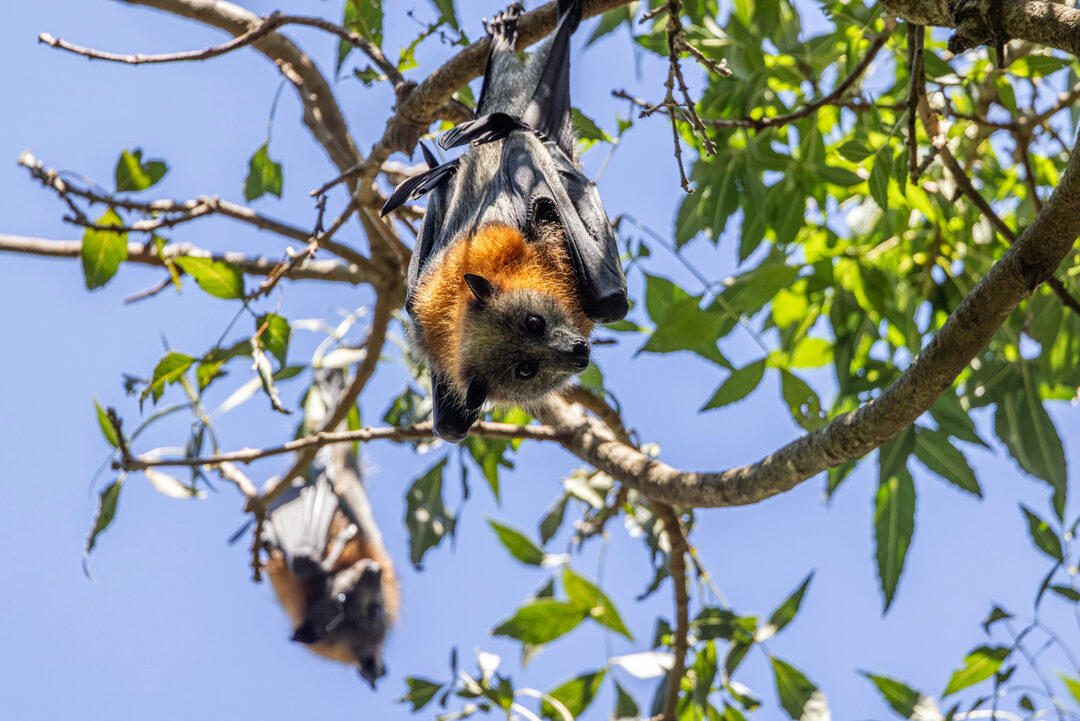
In line with its flying fox management heat stress response procedure, council closes McIntosh Drive when temperatures reach above 38 degrees Celsius, as grey-headed flying foxes cluster low in trees where they can encounter people. Bats are highly-stressed and vulnerable during these times and need to conserve energy to ensure their survival.
According to council, the closure of the road will minimise any disturbance and provide wildlife carers with access to support any bats that become ill from prolonged heat.
Seeing a flying fox on the ground or low in trees indicates it may need help.
People have been advised not to touch a flying fox. To alert a wildlife carer, phone Moonshadow Flying Fox Rescue on 0429 930 138 or DEECA on 136 186.
Grey-headed flying foxes are protected under the Wildlife Act 1975 as they are a nationally threatened species. Penalties apply for harassing or disturbing them.
The bats are sensitive to noise, so it is in their best interests to minimise noise when near them generally. They are Australia’s largest native bat and, as pollinators, play a crucial role in the health of our forests.
Grey-headed flying foxes pose no risk to humans when they are flying overhead or roosting. However, according to council, it is important that flying foxes are not handled because a small percentage may carry Australian bat lyssavirus or Hendra virus. Neither droppings or urine can spread these viruses, so it is not dangerous to have a colony sited nearby.